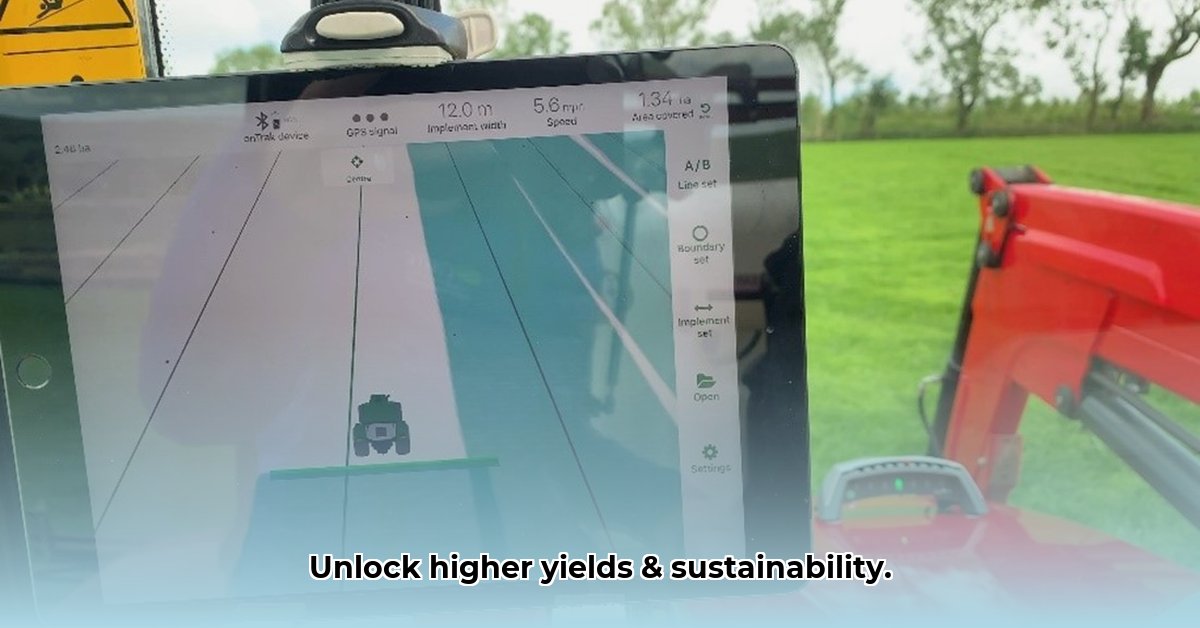
Understanding Tractor Guidance Systems: Precision Farming for the Modern Age
Ready to revolutionize your farming practices? Tractor guidance systems are no longer a luxury; they're a necessity for maximizing efficiency and minimizing environmental impact. These sophisticated systems utilize GPS technology and advanced sensors to guide your tractor with incredible accuracy, ensuring every pass is perfectly aligned, minimizing overlaps and maximizing resource utilization. Think of it as having a highly skilled co-pilot in your tractor cab, ensuring optimal performance and efficiency! Is your farm ready to embrace the future of precision agriculture? For more on advanced tractor technology, check out this hybrid tractor example.
How Guidance Systems Work: More Than Just Straight Lines
Tractor guidance systems use GPS signals (Global Positioning System) – the same technology in your smartphone – but with far greater precision. They leverage these signals to pinpoint your tractor's location in the field, guiding it along a pre-programmed path. Many systems offer additional features like automatic steering, allowing the tractor to steer itself, leaving the operator to focus on other tasks. But the advantages extend beyond simply driving in straight lines. Many systems integrate variable rate technology (VRT), which allows for the precise application of inputs like fertilizers, seeds, and pesticides based on the specific needs of each area within your field. This tailored approach means less waste, lower costs, and reduced environmental impact. Wouldn't consistent application improve uniformity?
A Step-by-Step Guide to Implementing a Guidance System
Installing and using a tractor guidance system is a multi-step process:
- System Selection: Choose a system that aligns with your farm's size, cropping practices, budget, and desired level of automation. Consider factors like accuracy (RTK-GPS (Real-Time Kinematic GPS) offers centimeter-level precision!), features (automatic steering, VRT), ease of use, and the vendor's support network.
- Professional Installation: While some systems claim to be DIY-friendly, professional installation by a qualified technician ensures proper calibration and integration, maximizing system performance and reliability. A professional understands the nuances of system integration with your tractor's existing electronics.
- Calibration and Base Station Setup: Accurate calibration is paramount. This typically involves setting up a base station (a fixed GPS receiver) which provides highly accurate correction signals to your tractor's GPS receiver. It also allows for the accounting of GPS signal errors caused by atmospheric and other factors. Proper calibration is essential for optimized performance.
- Field Mapping: Before operation, create a detailed map of your fields. This digital map guides your tractor, allowing efficient field coverage. Tools using drones or other high-precision mapping technologies are available. Are your fields ready for digital mapping?
- System Training and Familiarization: Prior to actual field operation, practice using the system, becoming confident in its operation and capabilities. Most vendors provide training resources. Mastering the system is crucial prior to full-scale deployments to prevent any accidental errors.
- Operation and Monitoring: During operation, rely on the system guidance, paying close attention to system alerts and adjustments. Regularly monitor the system's performance and make necessary corrections.
- Data Analysis and Optimization: Analyze the data collected by the system to identify areas for improvement, optimizing future operations and maximizing resource utilization. What data insights can help you achieve sustainable farming goals?
The Benefits: Why Precision Agriculture Matters
The advantages of implementing a tractor guidance system extend beyond increased efficiency:
- Increased Yields: Precise application of inputs leads to healthier plants resulting in higher crop yields. This translates into more profits.
- Reduced Input Costs: Minimizing overlaps and applying inputs only where needed significantly reduces the consumption of seeds, fertilizers, pesticides, and fuel. This translates into significant savings.
- Environmental Sustainability: Reduced input usage minimizes the environmental impact of farming operations, promoting environmentally friendly practices.
- Improved Efficiency: Fewer passes and precise applications save time and resources, streamlining the entire farming operation.
- Data-Driven Decision Making: Guidance systems gather valuable data that can be used to refine farming practices, improving efficiency and profitability. What can data analysis reveal for enhanced agricultural sustainability?
Challenges and Considerations: A Balanced Perspective
While the advantages are significant, some challenges exist:
- Upfront Investment: Guidance systems represent a significant financial investment. A detailed ROI analysis is essential to validate its purchase.
- Technical Complexity: Some systems have a steeper learning curve than others. Thorough training and ongoing support are crucial.
- GPS Signal Dependence: Poor GPS signal reception can hamper system performance. Suitable terrain is necessary for system performance.
- Equipment Compatibility: Ensure compatibility between the guidance system and your existing farm equipment.
Dr. Amelia Hernandez, Professor of Agricultural Engineering at Cornell University, stated, "The transition to precision agriculture can seem daunting, but the long-term benefits in terms of efficiency, sustainability, and profitability are undeniable. Proper planning and investment are key components to success."
Selecting the Right System: Matching Your Needs
The optimal system depends on your specific needs and budget. Consider:
- Accuracy Requirements: High-accuracy systems (RTK-GPS) are beneficial for high-value crops.
- Essential Features: Prioritize features like automatic steering, VRT, and advanced data logging capabilities.
- Budgetary Constraints: Balance initial costs with potential long-term savings.
- User-Friendliness: Choose a system with an intuitive interface for ease of use and minimized frustration.
- Vendor Support: Reliable vendor support is crucial during installation and operation.
The Future of Precision Agriculture: A Continuous Evolution
The agricultural technology landscape is rapidly changing. Further integration with technologies like drones and AI-powered analytics promises even greater precision and efficiency in the future. The evolution promises a future of fully automated and sustainable farming practices. The future of farming is here!